pet care

our speciality

our latest news

  • Kennel Cough (Canine Infectious Tracheobronchitis)
    Kennel Cough (Canine Infectious Tracheobronchitis)

    Kennel cough, also known as Canine Infectious Tracheobronchitis, is a highly contagious respiratory disease in dogs. It is primarily caused by the bacteria Bordetella bronchiseptica, although viruses such as canine parainfluenza and adenovirus can also contribute. Dogs are more likely to become infected when they experience stress, weakened immunity, or crowded living conditions. Consequently, puppies,…

  • Scabies in Cats (Feline Mange)
    Scabies in Cats (Feline Mange)

    Scabies in cats, commonly known as feline mange, is a highly contagious skin condition caused by microscopic mites, mainly Notoedres cati. These mites actively burrow into the skin, which immediately triggers intense itching and inflammation. As a result, affected cats experience severe discomfort. Moreover, it spreads rapidly through direct contact or contaminated environments. Therefore, early diagnosis and…

  • Pseudomonas Infections in Fish
    Pseudomonas Infections in Fish

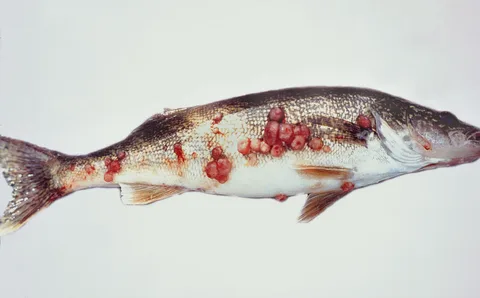
    Pseudomonas infections in fish are caused by bacteria of the genus Pseudomonas, most commonly Pseudomonas fluorescens and Pseudomonas aeruginosa. These bacteria act as opportunistic pathogens and therefore infect both freshwater and marine fish, particularly when fish experience stress, injury, or live in poor water conditions. Consequently, infections can lead to severe outcomes, including hemorrhagic septicemia,…

  • Mycoplasma Infections in Cats: Causes, Symptoms, and Treatment
    Mycoplasma Infections in Cats: Causes, Symptoms, and Treatment

    Mycoplasma infections in cats are caused by small, cell-wall–deficient bacteria of the genus Mycoplasma. The most common species affecting cats are Mycoplasma haemofelis, Candidatus Mycoplasma haemominutum, and Candidatus Mycoplasma turicensis. These bacteria primarily infect red blood cells, leading to feline hemoplasmosis, a condition characterized by anemia and systemic illness. Kittens, elderly cats, and immunocompromised felines…

  • Infectious Hematopoietic Necrosis (IHN) in Fish: Causes, Symptoms, and Prevention
    Infectious Hematopoietic Necrosis (IHN) in Fish: Causes, Symptoms, and Prevention

    Infectious Hematopoietic Necrosis (IHN) is a highly contagious viral disease that primarily affects salmonid fish, such as salmon and trout. Caused by the Infectious Hematopoietic Necrosis Virus (IHNV) from the Rhabdoviridae family, IHN is a serious threat in hatcheries and aquaculture farms. Juvenile fish, especially fry and fingerlings, are most susceptible, and outbreaks can lead…

  • Feline Panleukopenia in Cats: What You Need to Know
    Feline Panleukopenia in Cats: What You Need to Know

    Feline Panleukopenia, commonly known as feline distemper, is a highly contagious and potentially fatal viral disease affecting cats of all ages. Caused by the feline panleukopenia virus (FPV), a parvovirus, this disease primarily impacts kittens, unvaccinated cats, and immunocompromised individuals. Despite the availability of effective vaccines, Feline Panleukopenia continues to be a serious threat, especially…